Tire Mounting Process: What It Is and Why First-Time Car Owners Need to Know Pro Tips
Tire Mounting Process: What It Is and Why First-Time Car Owners Need to Know Pro Tips
You have just purchased a car, or you are just interested into the world of cars; it is a good idea to know what goes on during tire mounting. Tires on your car are important as they are mounted properly to ensure that your performance and safety of your car and its longevity are obtained. Maybe you are a novice in this, and the process might sound a bit intimidating, but do not worry. We have done that down to very easy steps to follow with some few expert ones to help you.
The importance of Tire Mounting
As the only element of your car to be in contact with the road, tires are an important detail as well as their installations. Installation of a tire improperly may lead to:
- Irregular tread wear
- Shaking when travelling
- Safety hazards
- Light fuel economy
Getting to know the ins and outs of a tire mount can be the key factor that will help you identify a problem in its early stages or even help you perform a tire mount procedure by yourself (there is a chance that you might be ready to do it).
What Is Tire Mounting?
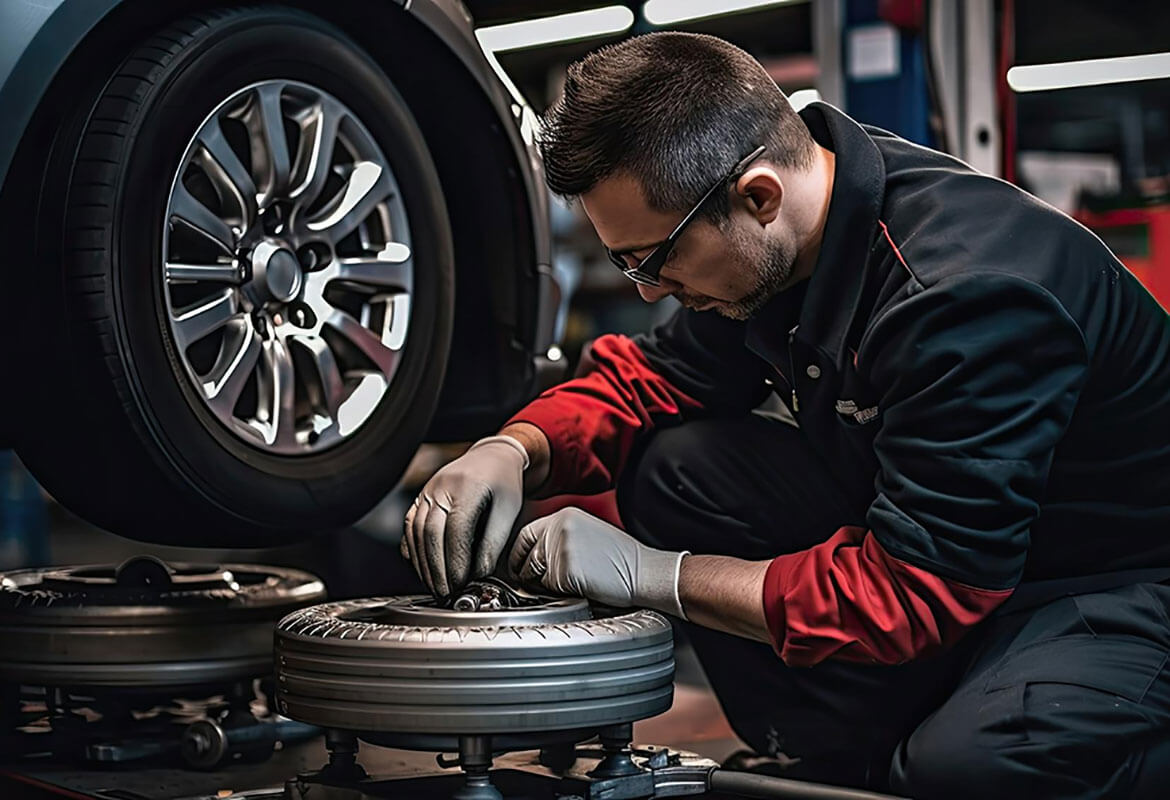
Tire mounting is the process of positioning a tire onto a wheel (or rim) and mounting it so that it is securely fastened, has the correct seal at the interface between the tire and the wheel (or rim) and is inflated. This should not be confused with tire balancing, which changes the weight distribution around the tire to prevent vibrations.
Mounting tires is usually performed by professional service workers using the appropriate equipment, but familiarity with the processes can keep you informed of what goes on when they perform this service or even perform it yourself under unusual circumstances.
Equipment and Material Required to Mount Tires
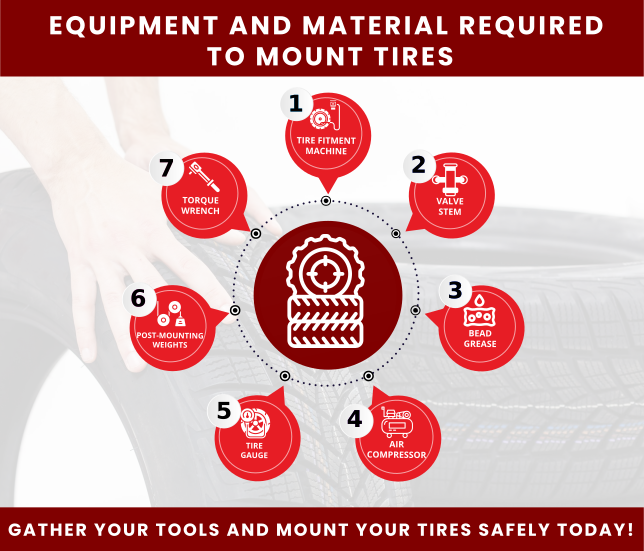
Whether you are mounting tires or buying tires, here is what is normally needed to get a good mount:
- Tire fitment machine (or tyre irons)
- Valve stem
- Bead grease or soapy water
- Air compressor
- Tire gauge
- Post-mounting weights (Tire balancing weights)
- Torque wrench
When you are mounting tires at home, ensure you use a stiff jack, and jack stands to be able to do it safely.
The Tire Mounting Procedure: Step by Step
1. Remove the Old tyre (Where applicable)
In case you are changing an old tire, the procedure starts with getting it out of a vehicle and a wheel:
- Unscrew the lug nuts (and do not take them out).
- Raise the vehicle on a jack and place jack stands.
- Take out the wheel and lay it on a surface that is flat.
- Deflate the used tire by taking out the valve core.
- Use a tire (or bead) machine or break the bead (the seal between the tire and the wheel).
You do not necessarily need a bead breaker, some DIYers have been known to use a plank and a car to apply weight to the sidewall of the tire. Take care though you do this.
2. Take the Tire off the Wheel
Loosen the old tire off the rim by either applying tire irons or the tire mounting machine. This normally entails:
- Putting the mounting tool between the rim and tire.
- Raising the bead to the edge of the rim.
- Repeating the process to both sides of the tire.
Be careful and do not cut the edge of the wheel or the new tire bead.
3. Remove the Dirty Wheel and Check the Damage
After removing the tire examine the rim:
- Wash it out to take out the dirt, rust, or an old adhesive.
- Look out on cracks or warping.
- Check the valve holes on corrosion.
Scrub hard stuck-on dirt using a wire brush. The cleaner the wheel, the better exhaust surface can be formed between the tire and the rim.
4. Fitting the Valve Stem
Put in the new valve stem:
- Put the rubber valve stem into the hole inside.
- A valve stem installer tool should be used to negotiate it through to a snug fit.
Make sure that the metal valve stems are tightened to the specified torque of the manufacturer.
5. Grease up the Bead
Put tire bead lubricant or soapy water between the two beats (inner edge) of the new tire. This allows manipulation of the tire to fit over the rim more easily and can aid in avoiding damage to the beads when mounting.
Do not use petroleum-based products. They are capable of deteriorating rubber with time.
6. Install the Tire into the Wheel
Here is where the actual mounting starts.
- Align the lowest bead on the tire with the outer edge of the rim.
- With tire machine or tire irons, push the bead completely over the wheel.
- Do the same thing with the top bead except not to pinch or twist.
Proceed slowly to ensure that you do not break the bead or the tire construction.
7. Pump Back the Tire and Sit the Rims
It is time to fit the tire on a rim now:
- Put an air hose on the valve stem.
- The tire should be inflated at a slow pace.
- With the air coming in you will hear two pop sounds-this is the bead seated properly on the rim.
- Stop inflating when both beads are seated.
Be careful not to get anywhere near the sidewall when inflating. In case of a faulty bead, it can go off with serious force.
8. Tire Pressure
Use a tire gauge to see that the pressure of the tire reaches the manufacturer-recommended PSI (written on your car door sticker or in the manual).
Always avoid overinflating or underinflating tires as either would lead to tire wear, unsafe driving conditions.
9. Balance Tire (Not compulsory but advisedly)
Even though not strictly considered a mounting process, tire balancing ensures easy driving and even wear of the tires.
- A technician rotates the tire and wheel combo.
- Where necessary, they add weights to balance out any imbalance.
Unbalanced tires may cause vibrations of steering wheels especially at high speeds. Inquire to have the tires balanced each time they are mounted.
10. Put the Wheel back in Place
- Re-install the wheel to the hub.
- Put the lug nuts at the star pattern and tighten them so the pressure is even.
- Jack down the automobile and turn the lug nuts to the factory recommended tension.
You are good to go!
Top Tips to a First-Cars Owner
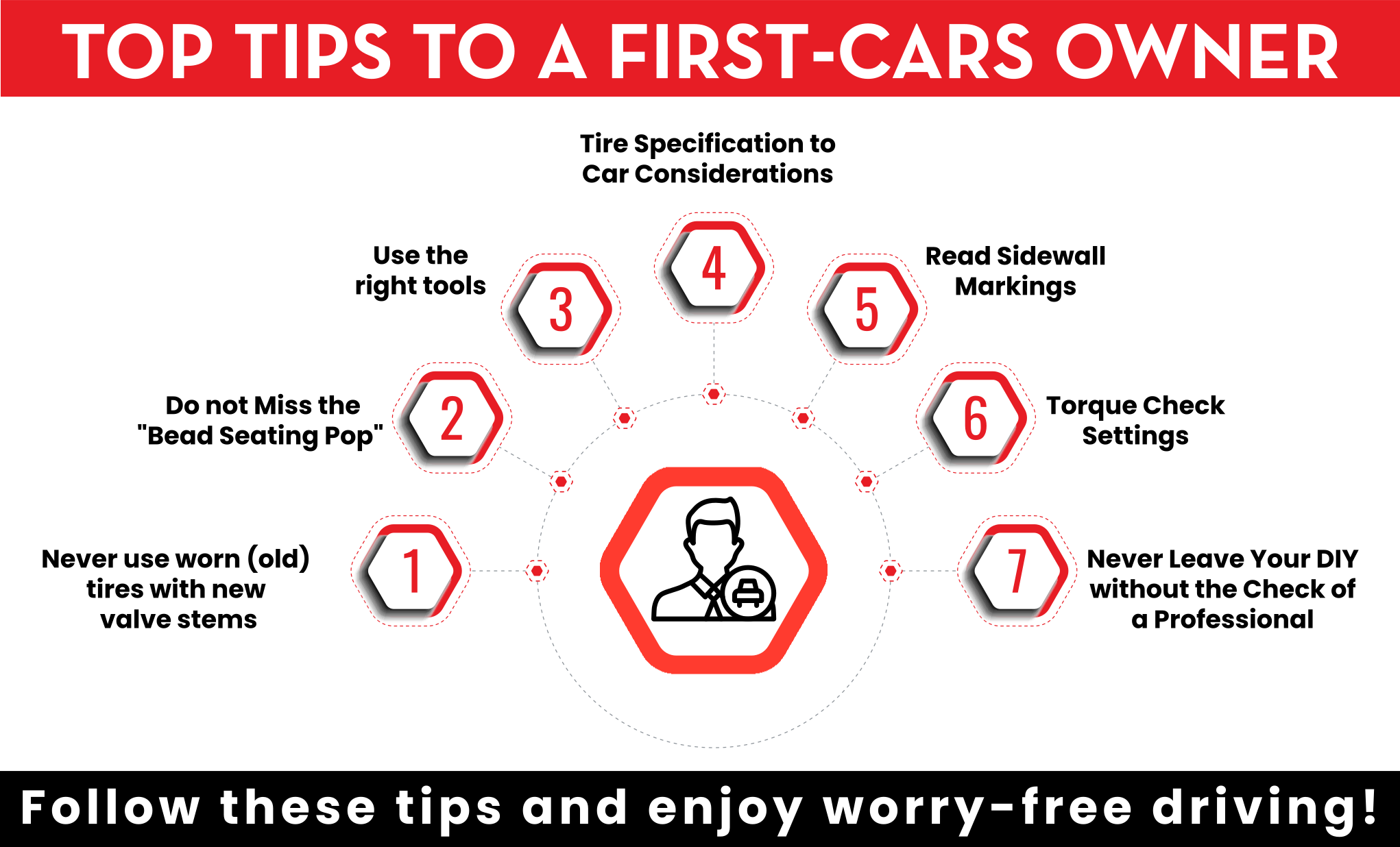
1. Never use worn (old) tires with new valve stems
Valve stem is also subject to wear which may allow air leakage resulting in early deflation.
2. Do not Miss the “Bead Seating Pop”
It is a good indication when you hear that popping sound during inflation. When it fails to happen, stop and re-check alignment.
3. Use the right tools
Although improvising can be used in emergencies, the right equipment will guarantee safety and accuracy.
4. Tire Specification to Car Considerations
It is important to refer to your owner or tire specification in case of a tire purchase or mounting.
5. Read Sidewall Markings
There is crucial information on the manual for the sidewalls of tires:
- Width aspect ratio
- Rim diameter
- Load index
- Speed rating
6. Torque Check Settings
Lug nuts should not be overtightened because this may break threads or break parts of the brake. It is always important to use a torque wrench.
7. Never Leave Your DIY without the Check of a Professional
Although it is possible to mount tires yourself, it is prudent to have them inspected with the help of a professional because of safety issues.
The Pitfalls to Avoid While Mounting
- Mounting without cleaning the rim
- Omitting lubrication
- Overlooking the replacement of the valve stem
- Over-inflation or under-inflation
- Missing tire balancing
- Wrong use of torque
When Replacing Tires is Better than Remounting
In some cases, you may change the tire completely, particularly in case you find the following:
- Secured and cracked side walls or bulging walls
- Irregular wear of the treads
- Large punctures Greater than 1/4 inch
- Tread depth of less than 2/32 inch
DIY Tire Mounting vs. Professional Service
| Factor | DIY | Professional |
| Cost | Affordable | Expensive |
| Equipment | Need to purchase different tools | Already available/ provided by the shop |
| Time | Drags and delays | Fast and effective |
| Precision | Varies | Impactful |
| Balancing | May need for tools | Provided with the service |
Your Gateway to Being a Car Confident Owner
One of the most significant car maintenance tasks is tire mounting, and it does not have to be a subject of mystery. It does not matter whether it is to replace a standard tire, switch to winter tires, or to simply learn the basics; be aware of this process and it will last your lifetime.
Learn what you should do and use proper tools and finally, ask a specialist when you are not sure. With time, you will become more confident in taking up the control of safety and performance of your vehicle.
Need some expert help? Try Berks Auto Repair
Call At Berks
Frequently Asked Questions (FAQS)
Q1. How long will it take to mount the tires?
It takes a professional anywhere between 45 minutes and 1 hour to mount and balance four tires. Depending on experience, DIY mounting can be time consuming.
Q2. Is it possible to install a tire without a machine?
Sure, you could with manual tire irons and a lot of leg work, but it becomes incredibly more difficult and dangerous when one has never done it before.
Q3. How costly is tire mounting?
The cost of mounting tires would run you a range of 15 to 25 dollars. Unless packaged, balancing can be done at an additional fee.
Q4. Does a new tire have to be balanced?
Yes. Brand-new tires may still carry weight imbalances, which impacts the level of comfort and safety in the driving process.
Q5. What is the distinction between tire alignment and tire mounting?
The tire is mounted on the wheel with mounting. Alignment corrects your angle of suspension to provide uniform tire wear.