In a Hispanic Car Shop: Culture, Craft and Community
lture, Craft and Community
Hispanic-owned auto shops, whether on a corner, sun-baked in a large urban neighbourhood or hidden in the more tranquil streets of a small town, are not only centres to repair cars, but living testimonies of heritage, endurance and neighbourhood pride. There is more than the noise of rumbling engines and wheeling ratchets that goes on in these workshops; there is the buzz of migration, of generation legacies, of the will to create something that will stay.
Today, we enter one of such Hispanic-owned auto shops to take a look at how culture, craftsmanship, and community overlap and intersect in such a place and view how these concepts not only affect the business, but the lives that it impacts on a daily basis.
Grit and Grease: A Legacy of Hispanic Auto Shops
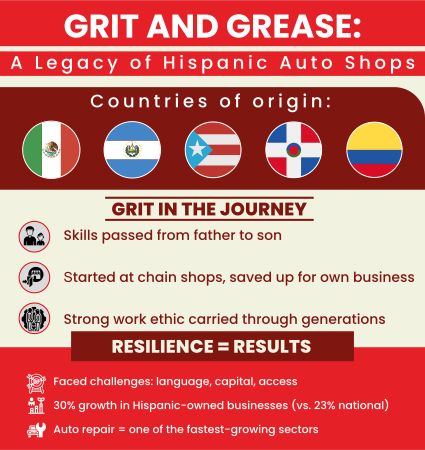
The history of most Hispanic auto shops is not an American one, but rather one that starts in the hearts and homes of Latin American nations – Mexico, El Salvador, Puerto Rico, the Dominican Republic, Colombia and other countries. Auto mechanics was considered a survival tool and self-reliance trade to many immigrant families.
Skills often were transferred through father to son or earned through difficult apprenticeships. When these families arrived in the United States, they brought their tools, their tenacity and the strong work ethic. Most of them began at the bottom- working extensive hours at dealerships or chain repair shops, until they had sufficient capital to start their own shops.
The path is not often smooth. There is language access, capital access, and systematic disparities that make it difficult. But these stores do well. The U.S. Hispanic Chamber of Commerce reports that Hispanic owned businesses have increased by more than 30 percent in the past ten years compared to the national average of 23 percent. One of the outstanding sectors among them is auto repair.
The Signature of Craftsmanship in Culture
Enter an auto shop owned by Hispanics and you will probably see the difference. It is a definite concern in the manner of the work performed – neither hurry nor mechanistic but a systematic and scrupulous search. It is not merely a practice; craftsmanship is in the culture at this point of pride.
The Latin American ideology of trabajo bien hecho, which means, literally, a job well done, is not a slogan. It is a matter of belief that good work is a way to respect not only the customer, but also the employee and his/her ancestors. It can be as simple as tuning an engine or as fancy as a paint job but either way the mechanics apply the mind of an artisan to what some would call blue-collar work.
Juan Ramirez, the proprietor of “Ramirez Auto Performance” in San Antonio, Texas, adds, “We make sure that in our shop, we treat every car as if it belonged to our mother. It is like that. It has got to do with respect. “To the machine, to the client and to ourselves.”
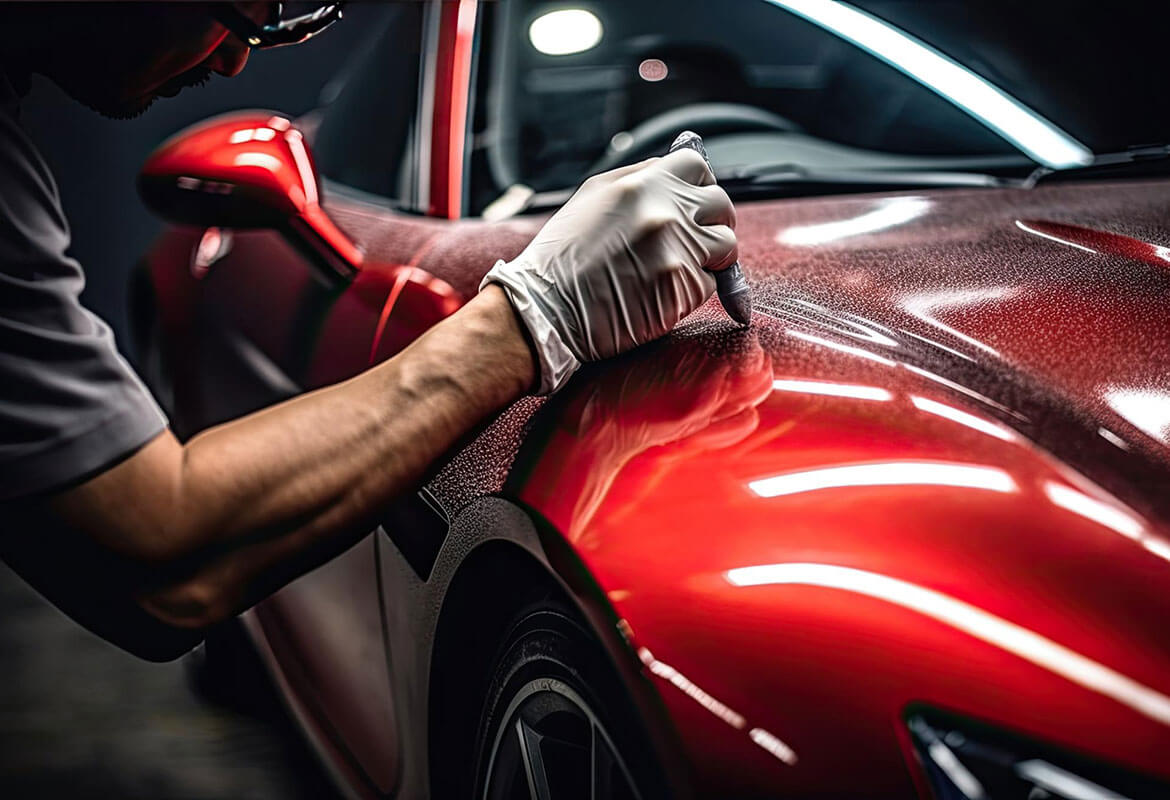
There will be custom work, too, either paint designs based on Aztec symbols or airbrush murals of Frida Kahlo or old school lowrider art, making these shops into cultural galleries you would never expect. The background music, whether it is reggaet only dancing tunes or mariachi music, also creates a beat that merges work with Latin soul.
Service in Many Languages, Value in Many Cultures
The shops run by Hispanics are frequently multilingual and multicultural. The bilingual employees are not just a convenience but a bridge. In so many stores in the Latino neighbourhoods, particularly the older or undocumented customers feel more comfortable, understood, and respected when they have someone who speaks Spanish.
Such mechanics not only describe repair but break down technical terms into comprehensible ones and regularly stop to answer questions, regarding the cost, the urgency or the safety. Such patient communication helps to establish long term trust, particularly in a profession where trust is sometimes tainted.
In addition, the stores accommodate individuals of all lifestyles. They are welcoming environments in which race, nationality or affluence become secondary to integrity, ability and humanity. You can find luxury SUVs parked side by side with used sedans – and both are taken care of equally.
The Shop: Family First: The Heart of the Shop
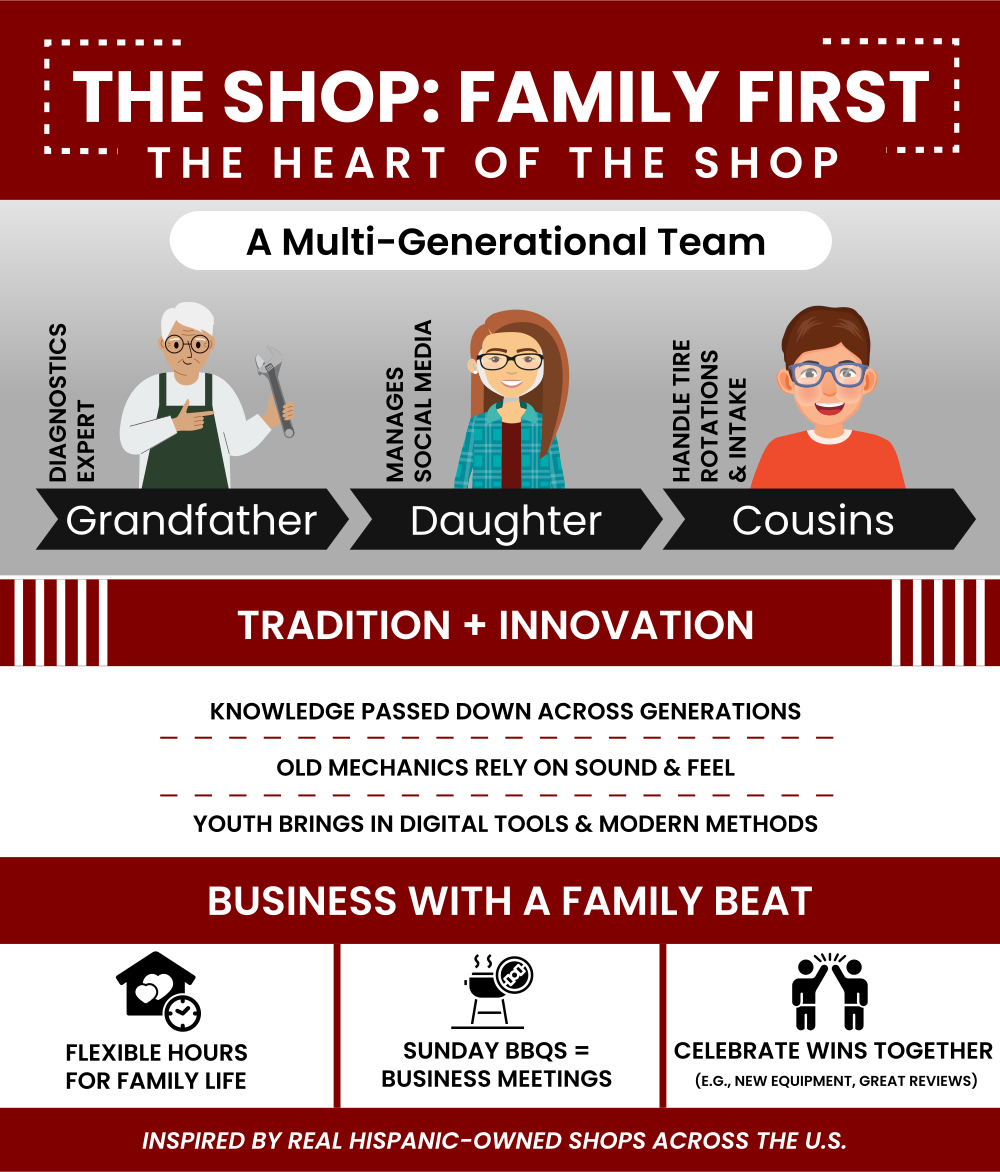
Auto shops owned by Hispanics are mostly family businesses in which different generations can be found working together. It is common to find a grandfather oversees the diagnostics, a teenage daughter in charge of social media, and cousins doing tire rotations or customer intake.
This model helps the business remain anchored on values of trust, loyalty and togetherness. It also enables knowledge to flow naturally- (tradition and innovation to co-exist). As an illustration, the old mechanics might use sound and feel to identify the problem, but the youthful members of the team introduce contemporary equipment and programs into the picture.
Family ownership also equates to flexible hours and sacridionale depths. In between the oil changes, kids are transported home (or to school). Business planning sessions may be held in disguise of Sunday cookouts. Problems are addressed as a group and successes, such as a new lift installed, a glowing review, are shared.
Community Connection Is Deep
The strongest aspect of a Hispanic-owned auto shop is, perhaps, the community aspect of it. These stores are not commercial places; they are social gathering points where clients are considered as a part of the extended family.
Most Hispanic stores gave out discounted rates or payment deferment to customers who could not afford to pay during the pandemic. Others went as far as assisting in delivering grocery items to senior customers or providing free check-ups to front-line workers. It was not about the profit; it was about solidarity.
Juanita Perez, who has been a customer of an East Los Angeles shop over a long period of time, remembers, “When my husband died, the shop owner came to my house, just to assure me that my car would get me to work. He did not bill me. All he said was, we look after one another. That was everything.”
Such stores also sponsor local sports teams, school fundraisers and take part in cultural festivals. They may have concrete and steel physical walls, but the walls made of relationships are their spiritual walls.
More than Mechanics: Mentorship, and Opportunity
An ignored, yet crucial characteristic of Hispanic owned auto shops is that they act as mentorship and economic ladder locations. Most of the shop owners bring in young men and women in their neighborhoods; and more so those who are having difficulties in finding directions in life and train them in the trade.
These apprenticeships are not only a skill, but a lifeline. Where the pathway to college is often barred, especially in low-income communities, the opportunity to make a living wage by means of an honest, skilled labour is transformational. What is more important is that young workers are taught discipline, communications, problem-solving and purpose.
Oscar Delgado, who began cleaning floors at his uncle shop in Miami at the age of 15, is the current manager of the diagnostic team. He laughs and says, “I ever learned in school, than in that garage. It also taught me to think, to hustle and to create something that endures.
This jalar pa nan culture, to pull forward, is not only inspirational. It’s actionable. It is the way of families, neighborhoods, and whole communities becoming elevated.
Overcoming the Obstacles Using Cultural Power
Nevertheless, the real-world challenges Hispanic-owned auto shops continue to struggle with despite their significance have been outlined: increasing rent costs, chain store competition, and financing difficulties. Most of the shop owners have to sweat twice as much to get half the credit.
Growth is also impeded by language barrier, formal business training and inaccessibility of small business loans. But a lot of them do sustain with resilience and creativity. Others resort to local banks or peer-to-peer lending circles (tandas), others learn online marketing or accounting on their own.
The world of auto repair is also switching swiftly toward technology. Shops are now being forced to invest in continuous training and costly diagnostic tools. However here also, there is the factor of cultural adaptability. Hispanic shop owners do not fear to learn, adapt, and hustle more than the majority.
Moving Forward: Future of the Hispanic-Owned Auto Shops
Hispanic-owned auto shops have a bright future ahead of them not only due to their financial potential but also due to their cultural applicability. With increasingly complex cars, the customer will still go to the mechanic they know and trust not only because he is good at what he does but also because he is honest.
Younger generations also have an increasing desire to grow and develop their family business. Others are combining old-fashioned philosophy with new tricks – opening bilingual websites, social media, digital estimates, and diversification of their services.
U.S. cities are starting to realize the importance of minority small business enterprises and mentoring and funding organizations such as the Latino Business Action Network and SCORE are rising to the occasion.
But what is the actual fuel to these shops? Passion – Passion for their trade, passion about their clients and passion about the communities they live in.
Lessons Learned: Final Thoughts
And when you enter an auto shop owned by Hispanics, you are not entering an auto service center, you are entering a place where culture, history, pride and humanity meet. These are businesses constructed not solely with wrenches and oil however with heart and heritage.
They are there to remind us that excellence does not necessarily wear a suit. The thing is, that innovation is not restricted to tech startups. And that the most powerful economic drivers are those fuelled by ordinary citizens achieving extraordinary things within their local communities.
Next time your vehicle requires a service, why not search a Hispanic owned garage in your locality. You can depart with a better ride, a decent price and this too: a newfound respect for the values that really do make America great.
Frequently Asked Questions
Q1. What is the benefit of a Hispanic-owned auto shop?
Auto shops owned by Hispanics tend to focus on good craftsmanship, fair prices, and neighborhood principles. Most of them are family owned and are bilingual, which makes them more personal and credible.
Q2. Are auto shops owned by Hispanics licensed or certified?
Well, there are quite a number of ASE-certified and fully licensed Hispanic auto shops that are owned by Hispanics. They have the industry standard of safety and quality just as any professional shop.
Q3. Are Hispanic-owned stores exclusive to the Hispanic community?
The opposite is true. These stores are inclusive and cater to wide communities. They might serve the Spanish-speaking clients, but they provide all-inclusive, quality service.
Q4. What is the benefit of such shops to the community?
In addition to auto repair, most of the Hispanic-owned businesses contribute to the neighborhood sports teams, school functions, job training, and helping families in need- particularly during the hard times.
Q5. Are the Hispanic shops competitive?
Yes. Most stores have reasonable open prices and intimate services. Since they tend to be independently owned, they can be more adaptable than the corporate chains.
Q6. What can I do to promote an auto shop owned by a Hispanic?
Select them as your services provider in auto services, review them well online, recommend to friends, and like their business pages on social media to assist in getting more visibility.